
For Dr Oscar Horky, the idea behind Phoenix Health Co didn’t come from a boardroom, a business plan or a passing wellness trend.
It came from years spent watching people arrive at crisis point before finally prioritising their health.
After more than a decade working across general practice, emergency medicine and urgent care throughout the Illawarra, alongside service within the Australian Defence Force Special Operations Command, Dr Horky began asking himself a different kind of question:
How can we do preventative healthcare better?
How can we help people better understand their health before serious problems arise, rather than simply responding once they occur?
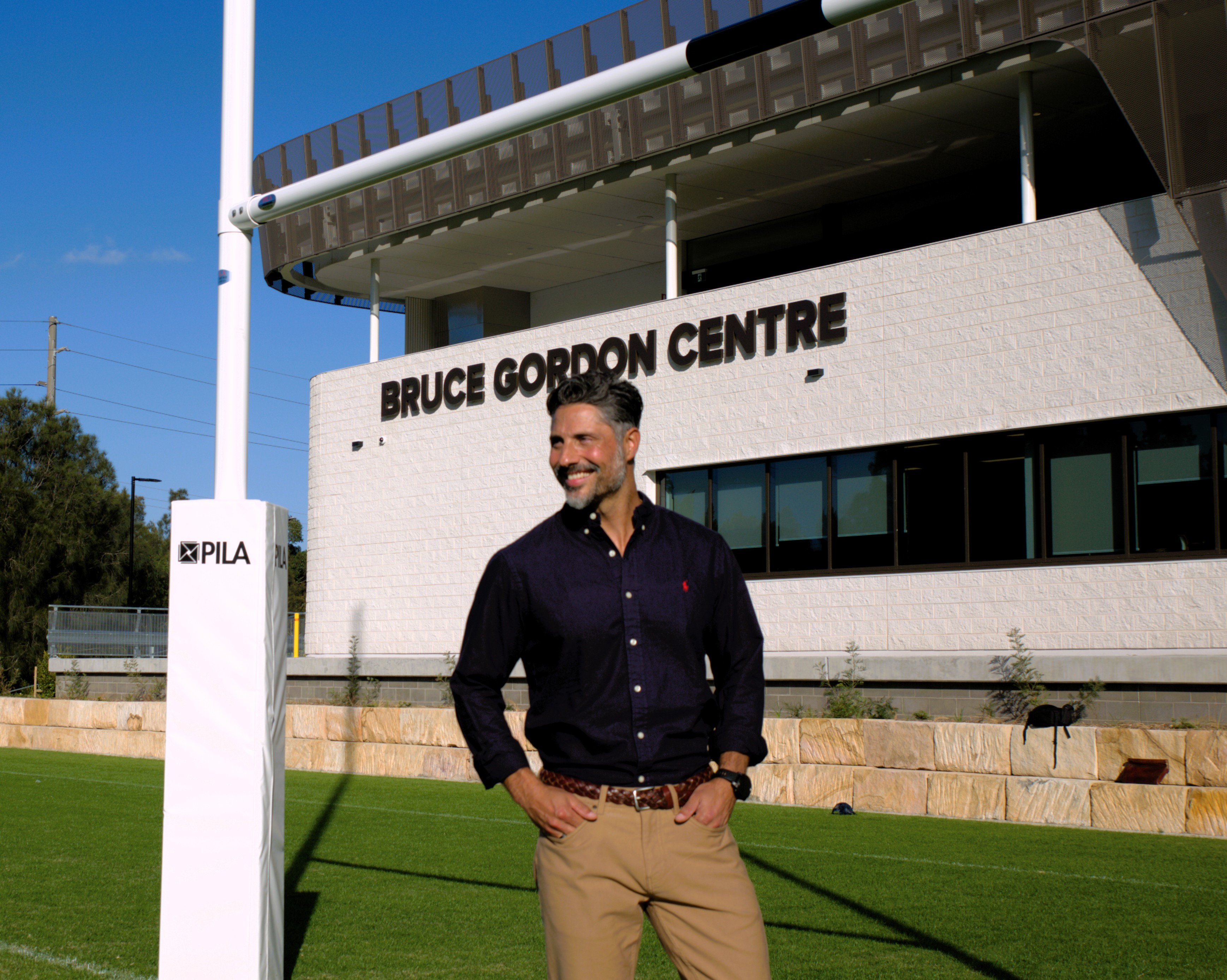
That question would eventually become the foundation for Phoenix Health Co, a new preventative healthcare and wellness model launching at the Bruce Gordon Centre in Wollongong.
Built around a philosophy of medicine, movement and recovery, Phoenix Health Co aims to help people better understand their health before major problems arise, combining medical care, exercise physiology, recovery services and advanced diagnostics under one roof.
But for Dr Horky, the journey toward creating Phoenix began long before medicine.
An Unconventional Path Into Healthcare
Before studying medicine at the University of Wollongong, Dr Horky originally trained in industrial design and worked extensively within the fitness industry.
While the career paths may seem disconnected at first glance, he says both experiences shaped the way he thinks about healthcare today.
“Industrial design is really about analysing systems and products and identifying friction points as opportunities,” Dr Horky said.
“You look at how people interact with things, where problems occur, and how you can redesign systems to function better and more efficiently.”
“It’s funny looking back now because that mindset still heavily influences the way I think about healthcare.”
Working within the fitness industry also gave him an early insight into the gap between knowing what people should do for their health ... and helping them actually sustain it long term.
“You quickly realise health isn’t just about information,” he said.
“Most people already know they should move more, sleep better and eat well. The challenge is creating systems, structure and accountability that actually help people maintain those behaviours consistently.”
Those ideas would stay with him as he transitioned into medicine.
Lessons From Emergency Medicine
After graduating with a Bachelor of Medicine and Surgery in 2013, Dr Horky worked across emergency departments, urgent care and general practice throughout the Illawarra, while also serving within the Australian Defence Force.
The experience exposed him to healthcare at both ends of the spectrum, from high performance environments to acute medical crises.
It also reinforced a growing frustration with how reactive modern healthcare had become.
“Every day in medicine, you see people reaching a crisis point before they finally prioritise their health,” he said.
“The healthcare system is incredibly important and does an amazing job in acute care and emergency settings. But there’s still a massive gap when it comes to helping people stay well in the first place.”
Dr Horky says many patients are caught in a cycle of fragmented care, rushed appointments and conflicting information.
“People don’t need more appointments. They need a plan,” he said.
“They need to be looking at the bigger picture, their movement, recovery, metabolic health, stress, sleep, body composition and long-term risk factors, and they need help understanding how all of those pieces connect.”
That philosophy became increasingly important as he reflected on the rising rates of:
obesity
metabolic disease
burnout
chronic pain
poor sleep
and preventable chronic illness.
“At the moment, so much healthcare is focused on reacting once things go wrong,” he said.
“We wanted to build something that shifts the conversation earlier.”
Movement Is Medicine
One of the core principles behind Phoenix Health Co is the belief that movement is medicine.
Not as a slogan or fitness trend, but as a foundational part of long-term physical and mental health.
“Movement impacts almost every aspect of health,” Dr Horky said.
“It affects metabolic health, cardiovascular health, mental wellbeing, resilience, sleep, musculoskeletal health and longevity.”
“But for many people, traditional healthcare and traditional fitness environments can both feel intimidating or disconnected from their actual needs.”
Phoenix Health Co was designed to bridge that gap.
Rather than functioning purely as a clinic or a gym, the model combines:
medical oversight
exercise physiology
recovery
health testing
education
and accountability
into one integrated ecosystem.
The goal, Dr Horky says, is to help people build long-term healthspan, not just extend lifespan.
“Healthspan is really about living in good health, free from the symptoms of chronic disease for as long as possible,” he said.
“It’s about preserving energy, strength, mobility, cognition and independence throughout life.”
Building Phoenix Health Co
The concept for Phoenix Health Co continued evolving through conversations with his partner and co-founder Katie Horky, a paramedic with more than 16 years of frontline healthcare experience.
Together, they shared a strong belief that prevention, education and long-term lifestyle support needed a greater role in modern healthcare.
The vision expanded further after connecting with Joint Vision Orthopaedic Group co-founder Dr Meghan Dares and CEO Wynter Dares, whose own philosophy around movement, rehabilitation and long-term health closely aligned with the direction Phoenix was taking.
“What really resonated was the shared belief that healthcare should be proactive, not just reactive,” Dr Horky said.
“There was a strong alignment around helping people move better, feel better and stay active throughout every stage of life.”
Launching from the Bruce Gordon Centre in North Wollongong, Phoenix Health Co will offer a comprehensive Foundational Assessment as the entry point for every patient journey.
The assessment includes:
advanced blood testing
DEXA body composition scanning
ECG analysis
wearable health data review
mental health screening
musculoskeletal assessment
and personalised preventative health planning.
From there, patients can move into tailored 12-month programs focused on:
preventative health and vitality
weight optimisation
women’s hormonal health
men’s health over 40
healthy ageing
and peak performance.
Importantly, Dr Horky says Phoenix is not designed to replace a patient’s existing GP or specialist relationships.
“This isn’t about replacing traditional healthcare,” he said.
“It’s about complementing it and creating a more integrated, supportive and proactive system around people.”
Looking Ahead
As Phoenix Health Co prepares for launch, Dr Horky believes the growing interest in preventative healthcare reflects a broader shift in how people are thinking about health and ageing.
“People want more than just treating illness once it happens,” he said.
“They want clarity, structure, accountability and a better understanding of how to stay healthy for the long term.”
For Dr Horky, that ultimately sits at the heart of what Phoenix is trying to create.
“We want to help people stay well, not just respond once things go wrong.”
Our Foundational Health Assessment is designed to help you better understand your current health, identify potential risks early, and create a personalised plan to help you stay healthier for longer.
Bookings are now open, with a limited introductory launch offer available for August appointments.
👉 Book your Foundational Health Assessment today
https://phoenixhealthco.com/bookings
Want to learn more about optimising your health?
Get In Touch