
What do you want your body to still let you do 10 or 20 years from now?
Travel without thinking twice about the walking involved. Carry your own bags. Get down on the floor and back up again. Keep playing golf, running, gardening or riding. Stay confident on the stairs. Keep up with your children or grandchildren.
The answer will be different for everyone.
But Phoenix Health Co Head of Movement Angela Saville believes it is a useful question because it changes the way we think about exercise.
Movement stops being about what you can lift, how hard you can train or how you look.
It becomes about capability.
“Moving well means having the strength, mobility, balance and fitness to keep doing the things you enjoy,” Angela says.
“And when you think about what you want to still be doing in 10 or 20 years, what you do now starts to have a purpose.”
The changes can be subtle
Changes in strength, mobility and confidence do not always announce themselves.
Sometimes they creep in.
You use your hands to help yourself out of a chair when you didn’t used to.
Getting down onto the floor becomes something you think twice about.
You feel a little less confident carrying something awkward.
Stairs require more attention.
Or perhaps there is an activity you have gradually stopped doing without really noticing when that changed.
For Angela, these small changes are worth paying attention to.
Not because everyone should be striving for perfect movement or chasing a particular level of fitness, but because understanding where you are now gives you a much better idea of what comes next.
Start with where you are
One of the barriers Angela regularly sees is the idea that you need to be fitter before you begin.
You don’t.
At Phoenix Movement in North Wollongong, the starting point is the individual.
What can you do comfortably now?
Where do you feel strong and confident?
Where might you need more support?
And, importantly, what do you actually want your body to be capable of?
Understanding your starting point helps take some of the guesswork out of exercise.
Rather than simply joining a gym and trying to work out what you should be doing, movement can become purposeful.
You start where you are and build from there.
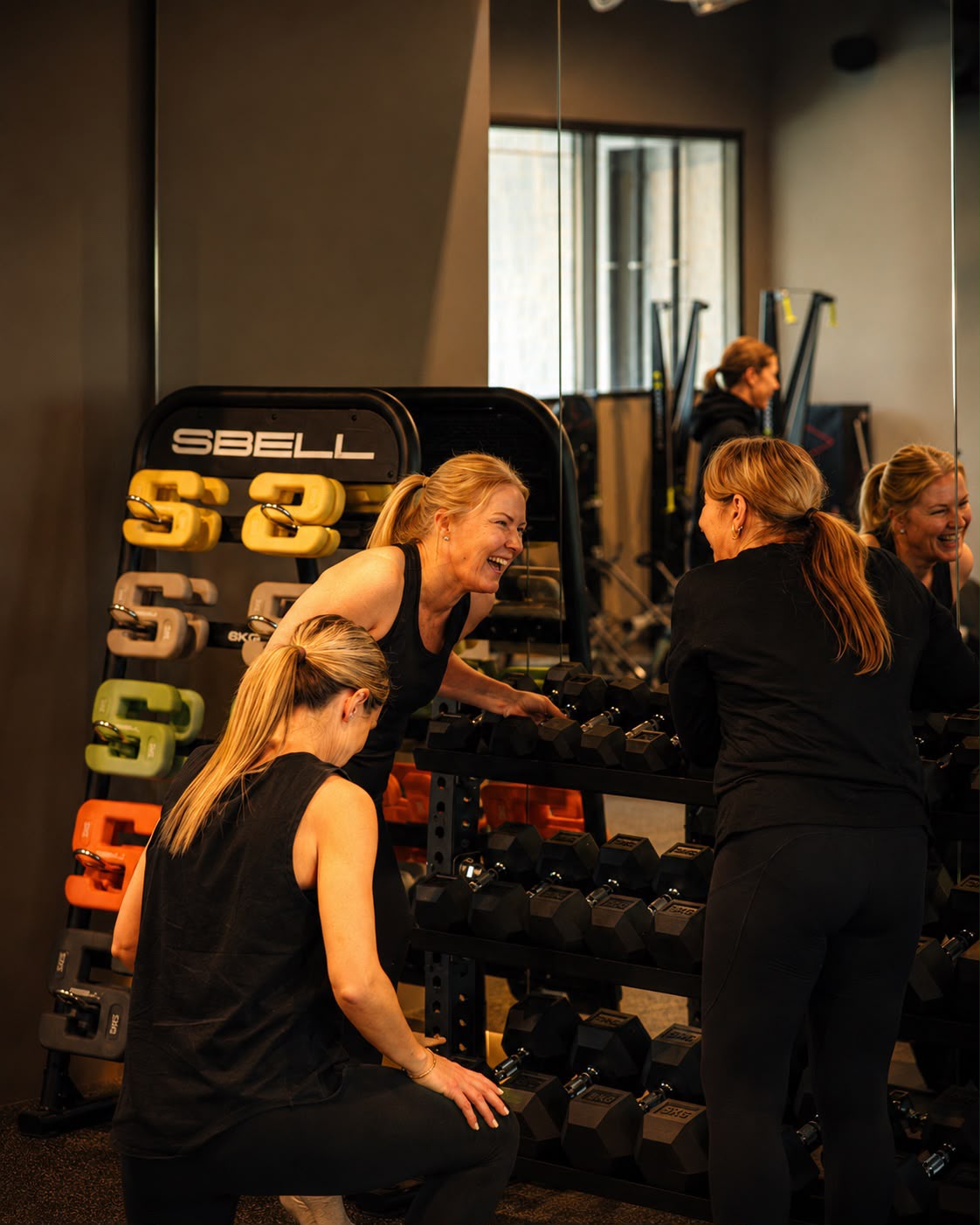
Why strength matters in your 40s and 50s
Strength training can sometimes feel like something intended for athletes, gym enthusiasts or people chasing performance.
Angela sees it differently.
Strength matters because of what it allows you to do outside the gym.
It might mean carrying the shopping, lifting a suitcase, getting up from the ground, walking confidently, continuing to play the sport you enjoy or simply feeling more capable in everyday life.
The number on the weight is not the point.
What that strength allows you to keep doing is.
That becomes increasingly relevant through your 40s, 50s and beyond. You may feel generally healthy and active, but this is also a time when thinking about strength and movement in the years ahead starts to make sense.
The goal is not to train like an athlete.
It is to build the physical capacity and confidence to keep living the life you want to live.
Consistency beats the occasional big effort
There is no need for every session to feel heroic.
One hard workout might feel productive, but Angela believes the more important question is whether your approach to movement is something you can continue.
Progress comes from showing up consistently, allowing your body to adapt and building gradually.
That means finding an appropriate starting point, understanding what you are doing and why, and progressing in a considered way.
For some people, that may involve rebuilding confidence before increasing the challenge.
For others, it may mean introducing more purposeful strength work into an already active life.
There is no single version of moving well.
That is the point.
More than somewhere to exercise
Phoenix Movement is built around that individual starting point.
It sits within the broader Phoenix Health Co approach, where Medicine, Movement and Recovery work together as part of a more considered view of health.
For Movement, that means understanding the person first, then creating purposeful training and progression around their goals and current capacity.
It is not about chasing intensity for its own sake.
It is about knowing where you are, having some direction around what comes next and building confidence as you make progress.
Because ultimately, the most useful measure of movement is not what happens inside the gym.
It is what it allows you to keep doing outside it.
So, what do you want your body to still let you do in 20 years?
Start there.
Build the body your future self will thank you for.
Want to learn more about optimising your health?
Get In Touch